Flood Damage and Mold in Cars: Houston's Recovery Guide
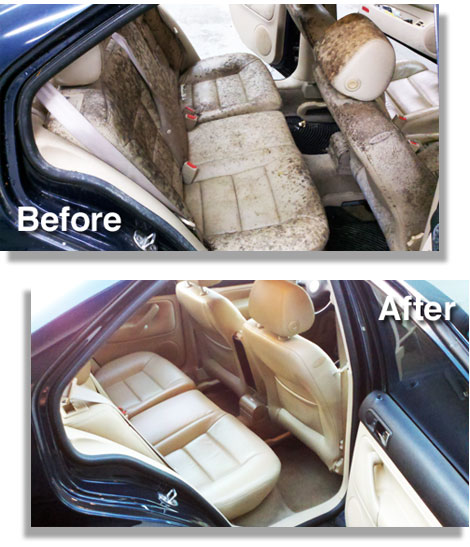
Houston knows flooding all too well. Whether it's a major storm, hurricane season, or just one of those sudden Texas downpours that catches you off guard, water damage to your car is a serious problem that requires quick action. Left untreated, water damage leads to mold growth, musty odors, and potentially permanent interior damage.
The Hidden Problem: What Water Does to Your Car's Interior
Even if your car wasn't completely submerged, any significant water intrusion causes problems. Water seeps into places you can't see—beneath carpet padding, inside seat cushions, behind door panels, and into the HVAC system. Houston's humidity prevents natural drying, creating the perfect environment for mold to develop.
Within 24-48 hours of water exposure in our climate, mold can begin growing. You might not see it right away, but you'll definitely smell it—that unmistakable musty, earthy odor that signals mold is present. And once mold takes hold, it spreads rapidly through all the porous materials in your interior.
Signs Your Car Has Water Damage or Mold
Not sure if your car has hidden water damage? Watch for these warning signs:
- Musty or earthy smell: The classic sign of mold growth
- Foggy windows: Excess moisture trapped in the cabin
- Damp carpets: Especially if they don't dry out normally
- Visible mold spots: Often appearing as black, green, or white patches
- Water stains: On headliner, seats, or door panels
- Allergy symptoms: Sneezing, itchy eyes, or respiratory discomfort when in the car
- AC smell: Musty odor when running the air conditioning
Why Professional Treatment Is Essential
DIY water damage cleanup often makes the problem worse. Without proper extraction equipment and drying methods, moisture gets pushed deeper into materials or simply doesn't dry completely. Home shop vacs and fans aren't powerful enough to extract water from seat foam and carpet padding.
Professional flood damage treatment addresses the problem at every level:
- Complete water extraction from all materials
- Proper drying with commercial-grade equipment
- Mold treatment and elimination
- Odor removal at the source
- Interior restoration and protection
Our Flood Damage and Mold Recovery Process
Step 1: Assessment
We begin with a comprehensive assessment of the damage. Using moisture meters, we detect water in areas you can't see—inside door panels, beneath carpet padding, within seat cushions, and in the trunk area. UV lights help identify mold growth that isn't visible yet. This assessment determines the treatment plan and whether any components need removal for proper cleaning.
Step 2: Water Extraction
Using commercial-grade extractors, we remove all standing water and moisture from carpets, seats, padding, and trunk areas. Our equipment is far more powerful than anything available at home stores, capable of pulling water from deep within foam and padding. For severe flooding, we may remove seats and carpets to ensure complete extraction.
Step 3: HEPA Vacuuming
Before any wet treatment, we thoroughly vacuum all surfaces using HEPA filtration. This captures mold spores and prevents them from becoming airborne during the cleaning process. Regular vacuums can actually spread mold spores around—HEPA filters trap particles as small as 0.3 microns.
Step 4: High-Temperature Steam Treatment
Steam cleaning at 200-250°F is our primary weapon against mold. The extreme heat eliminates mold at the source and penetrates deep into porous materials. We systematically treat all surfaces—seats, carpets, door panels, headliner, and dashboard—ensuring complete coverage.
Steam cleaning offers major advantages: it's chemical-free, reaches areas sprays can't, and the heat helps accelerate drying afterward. For flood-damaged vehicles, we often perform multiple steam passes to ensure complete treatment.
Step 5: Antimicrobial Treatment
After steam cleaning, we apply EPA-registered antimicrobial solutions specifically formulated for automotive interiors. These products create a protective barrier that prevents mold from returning while being safe for all interior materials including leather, vinyl, fabric, and plastic.
Step 6: HVAC System Treatment
Your car's ventilation system is often overlooked, but it's a prime location for mold growth. Moisture collects on the evaporator core, and spores spread throughout the ductwork. We treat the entire HVAC system with antimicrobial foggers and replace the cabin air filter. Without this step, mold odors will return every time you turn on the AC.
Step 7: Ozone Shock Treatment
For comprehensive mold elimination, ozone treatment is highly effective. The vehicle is sealed and an ozone generator runs for several hours. Ozone gas penetrates every surface, crevice, and air duct, neutralizing mold spores and eliminating musty odors at the molecular level. This reaches areas that physical cleaning simply cannot.
Step 8: Drying and Verification
Using air movers and dehumidifiers, we ensure complete drying of all materials. We verify with moisture meters that every area is thoroughly dry before finishing. This step is critical—any remaining moisture will allow mold to return.
Time Is Critical: Act Fast After Water Damage
The sooner you address water damage, the better the outcome. Here's the timeline you're working with:
- Within 24 hours: Best chance for complete recovery with minimal mold risk
- 24-48 hours: Mold can begin developing in Houston's humidity
- 48-72 hours: Mold is likely present and spreading
- 1 week+: Significant mold growth, may require component removal or replacement
Don't wait to see if the problem "dries out on its own." In Houston's climate, it won't. Quick professional treatment saves you money and prevents permanent damage.
Preventing Future Water Damage
After recovery, protect your vehicle from future water damage:
- Check door and window seals: Replace worn weatherstripping
- Clear sunroof drains: Clogged drains are a common leak source
- Park strategically: Avoid low spots and flood-prone areas during storms
- Monitor humidity: If windows fog regularly, investigate for hidden leaks
- Act fast on spills: Even drink spills can lead to mold if not dried properly
- Regular interior protection: Fabric protectants help prevent moisture absorption
Houston's Mobile Flood Damage Recovery
We understand that after flooding, the last thing you want is another hassle. That's why we bring our complete flood recovery equipment directly to you—at home, at work, or wherever your vehicle is located throughout the Houston metro area.
Our mobile service covers all of Houston, Katy, Sugar Land, The Woodlands, Pearland, Clear Lake, Galveston, and surrounding communities. Treatment time varies based on damage severity, from a few hours for minor water intrusion to a full day for severe flooding.
Need Flood Damage or Mold Removal?
Time is critical with water damage. Contact us immediately for professional flood recovery and mold treatment. We'll assess the damage and begin restoration to save your vehicle's interior. Mobile service available throughout the Houston area.
Schedule Flood Damage Recovery